Delhi. A garden, and a mango seed planted with my mother.
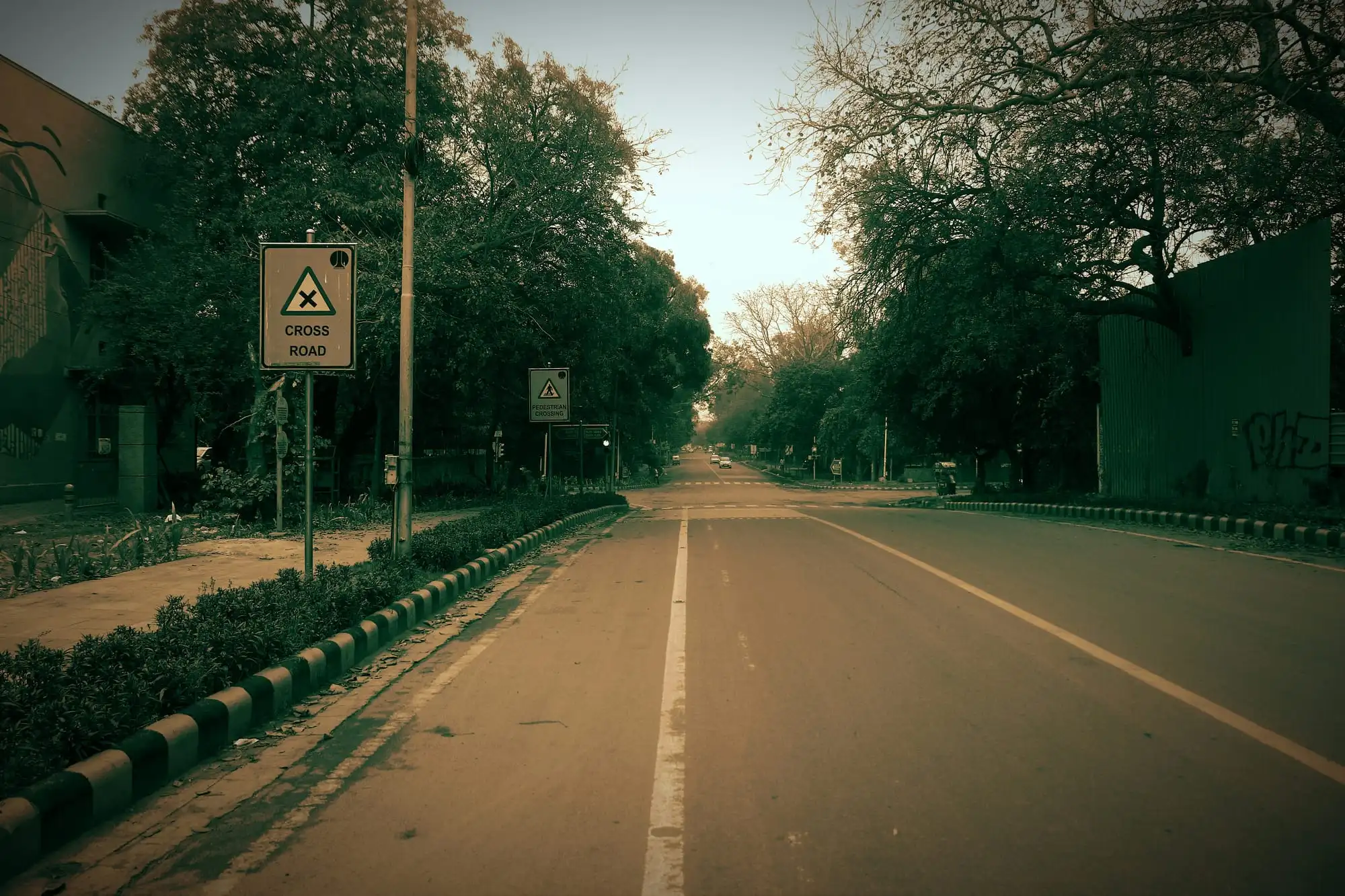
Delhi

I grew up in Delhi, in a house with a garden. When I was in kindergarten, my mother and I planted a mango seed there. Mango plants grow slowly. You can watch one for a week and see nothing change. For years it seemed to keep time with me, growing when I grew and stalling when I stalled. When it died during a renovation of the house, I planted another.
Photo: Siddharth Sabron, Unsplash
My father came from Guwahati and built a mill that makes thread.
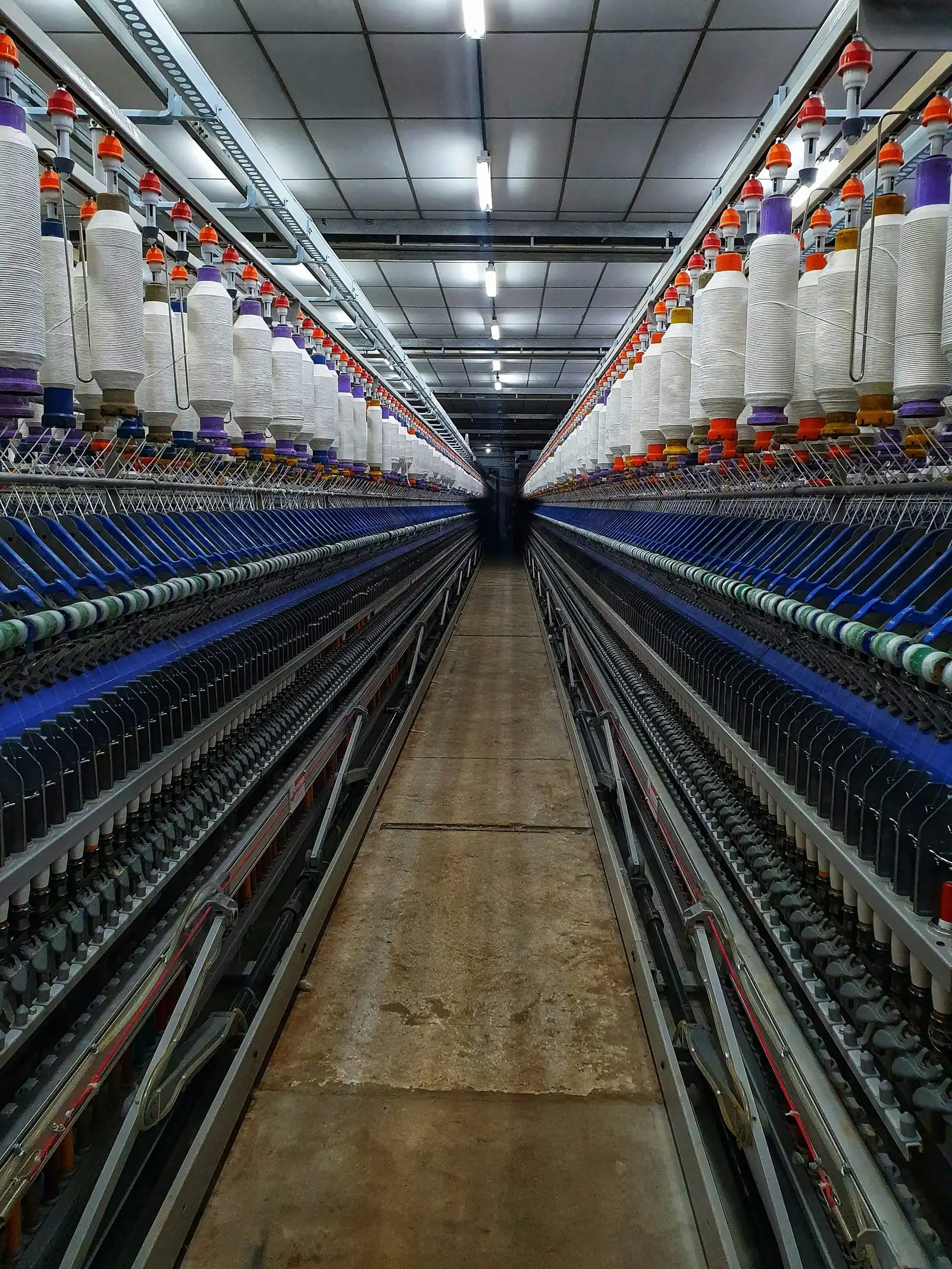
The mill
My father moved from Guwahati, in Assam, to Delhi and built his own spinning mill, Sanganeriya Spinning Mills. In a spinning mill, loose fiber is drawn out and twisted until it holds together as thread. Thread is where cloth begins. The thread that runs through this reel starts in his mill.
Photo: Prince Prabhakaran, Unsplash
At eighteen, one long flight, and a campus in Atlanta.
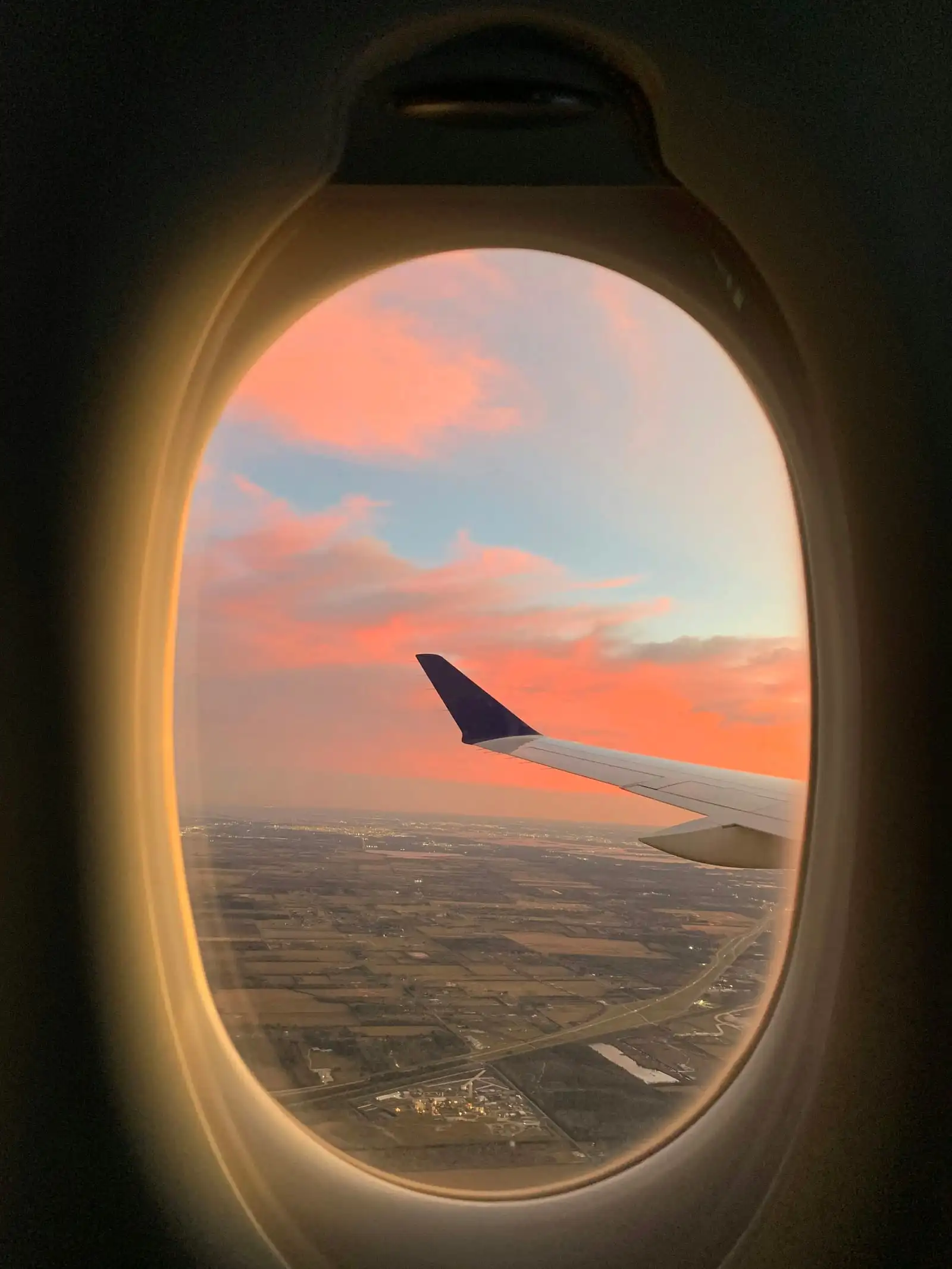
Eighteen
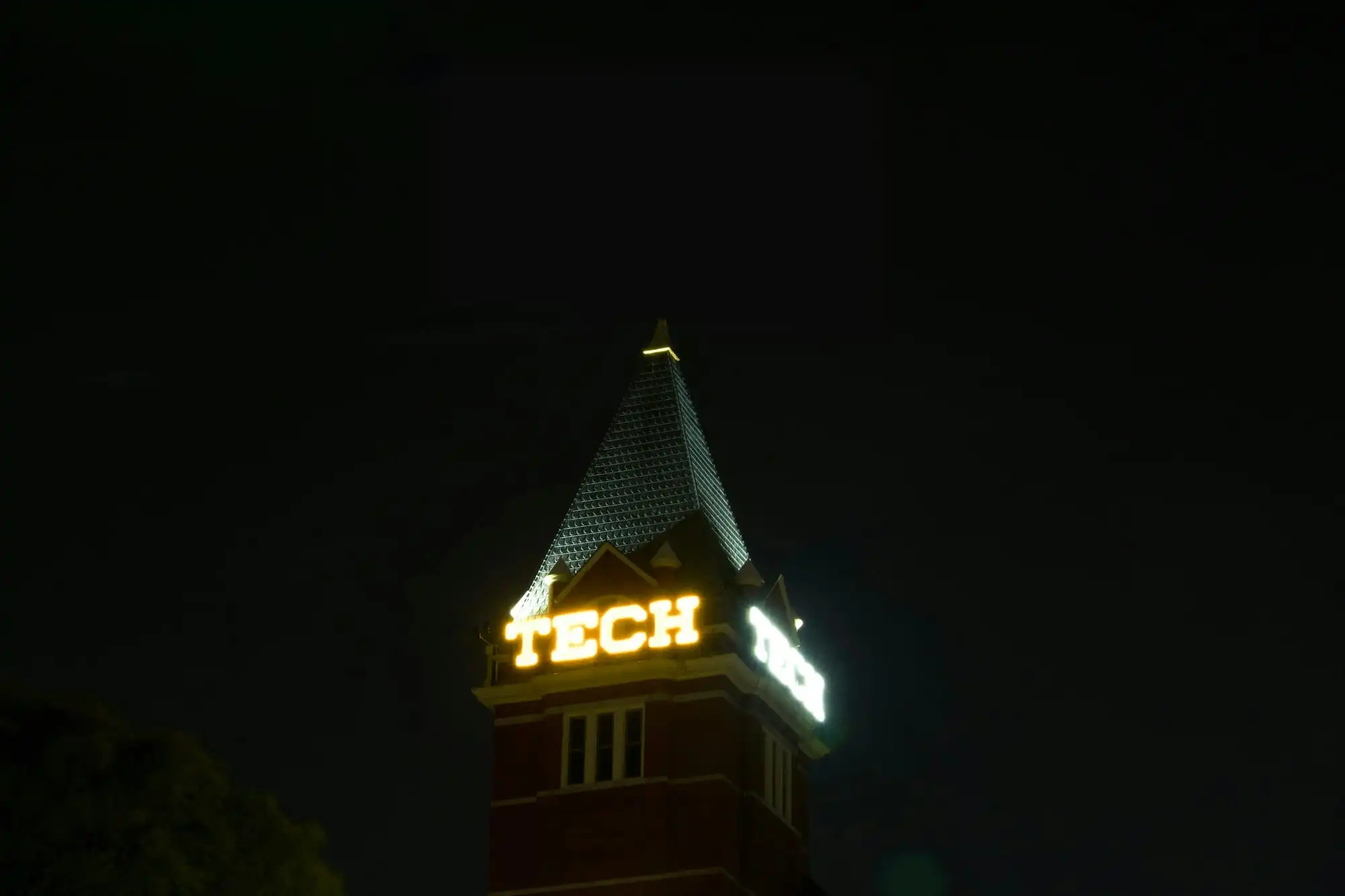
At eighteen I left Delhi for Atlanta, to study computer science at Georgia Tech. My father had moved cities to build his mill. I moved continents to learn. Leaving was not easy, and it is still hard to talk about. So this frame is only a window seat, and the ground getting smaller.
Photo: Saman Tsang, Unsplash
Teaching a model to see cells.
Seeing cells

At Georgia Tech I did research on microscope images of cells. A single image can hold hundreds of them, pressed against each other. I helped build SAMCell, a model that finds and outlines each cell without anyone pointing at it, and it held up on a microscope it had never seen. We published it in PLOS ONE in 2025.
Photo: Sid Suratia, Unsplash
Then building: systems that move data fast and keep it right.
Building
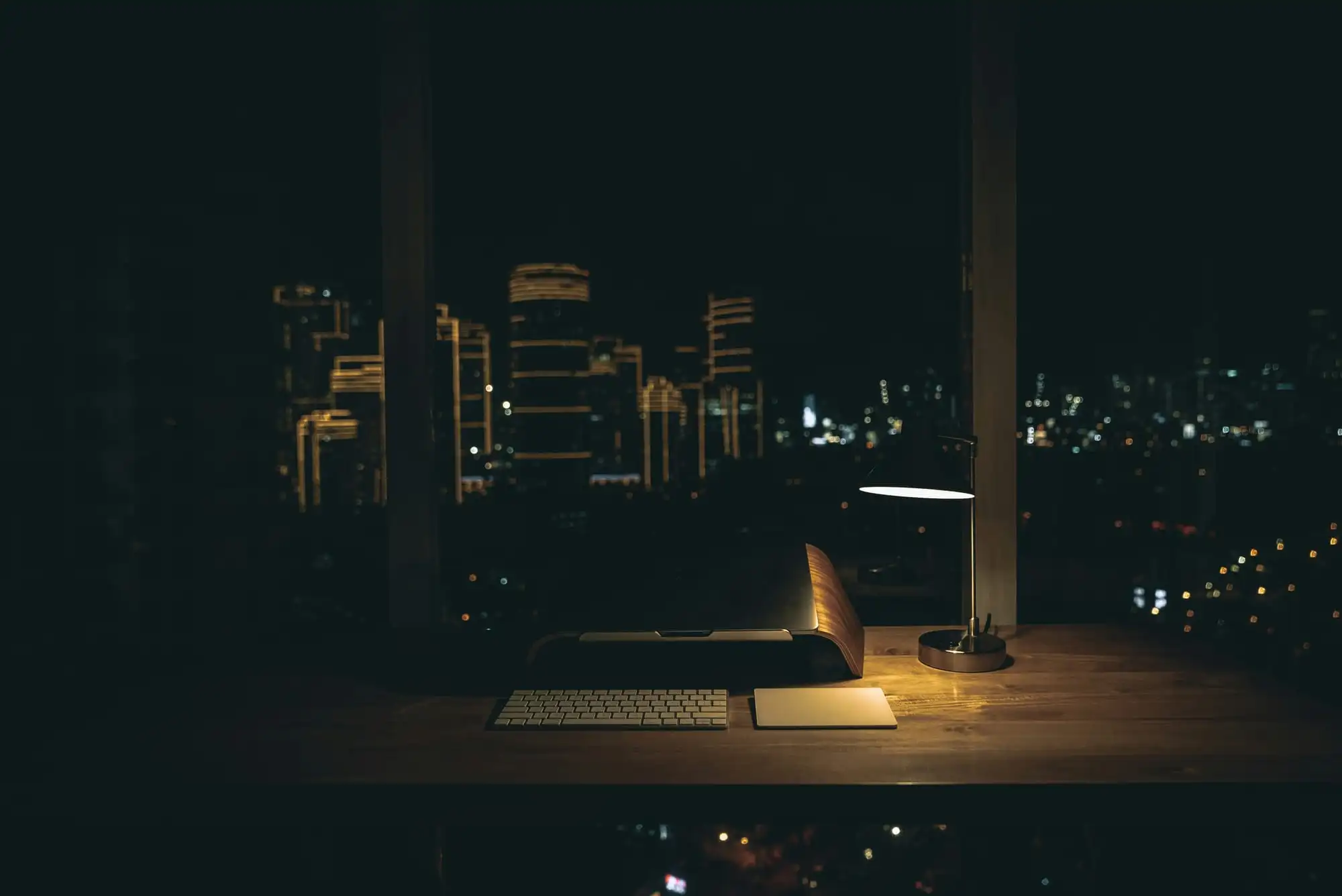
Then I built data systems. At Amazon, a streaming pipeline that delivered events in 600 to 900 milliseconds against a 120-second target. Now, at Mercor, systems that work out which names, emails and handles belong to the same real person, and give each person one consistent fake identity, so their data can be used without exposing them. And this room.
Photo: JC Gellidon, Unsplash
Home is still an open question.
Home
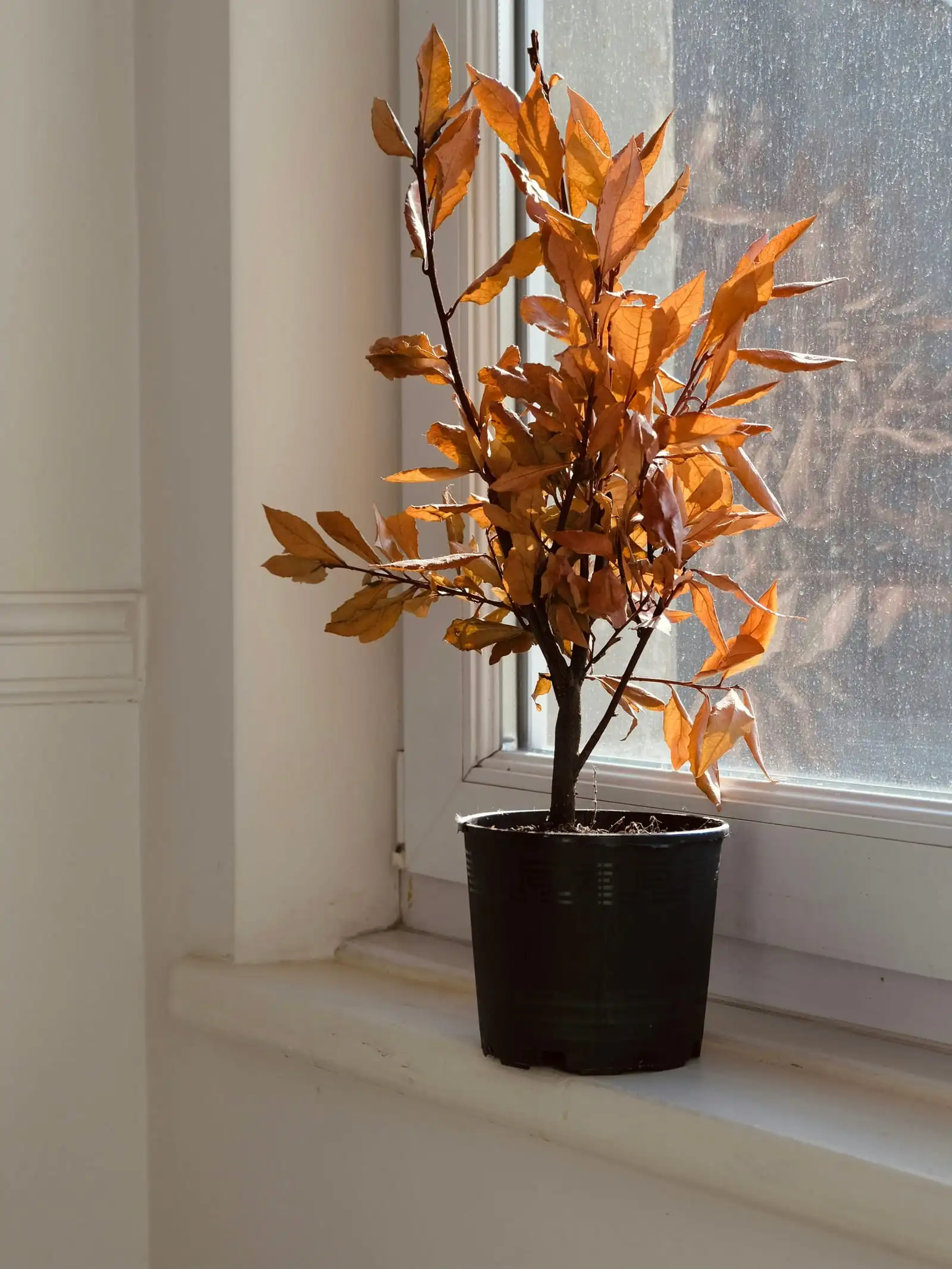
Delhi is a long way from here, and the question of India or America has not gone away. There is a comforting idea that home is everywhere, because the sky is the same everywhere. I only half believe it. What I do know is why I left: to do work big enough to be worth the distance. The mango plant is on the windowsill now. It grows slowly. It is still growing.
Photo: Peter Heymans, Unsplash
Frame 1 of 14